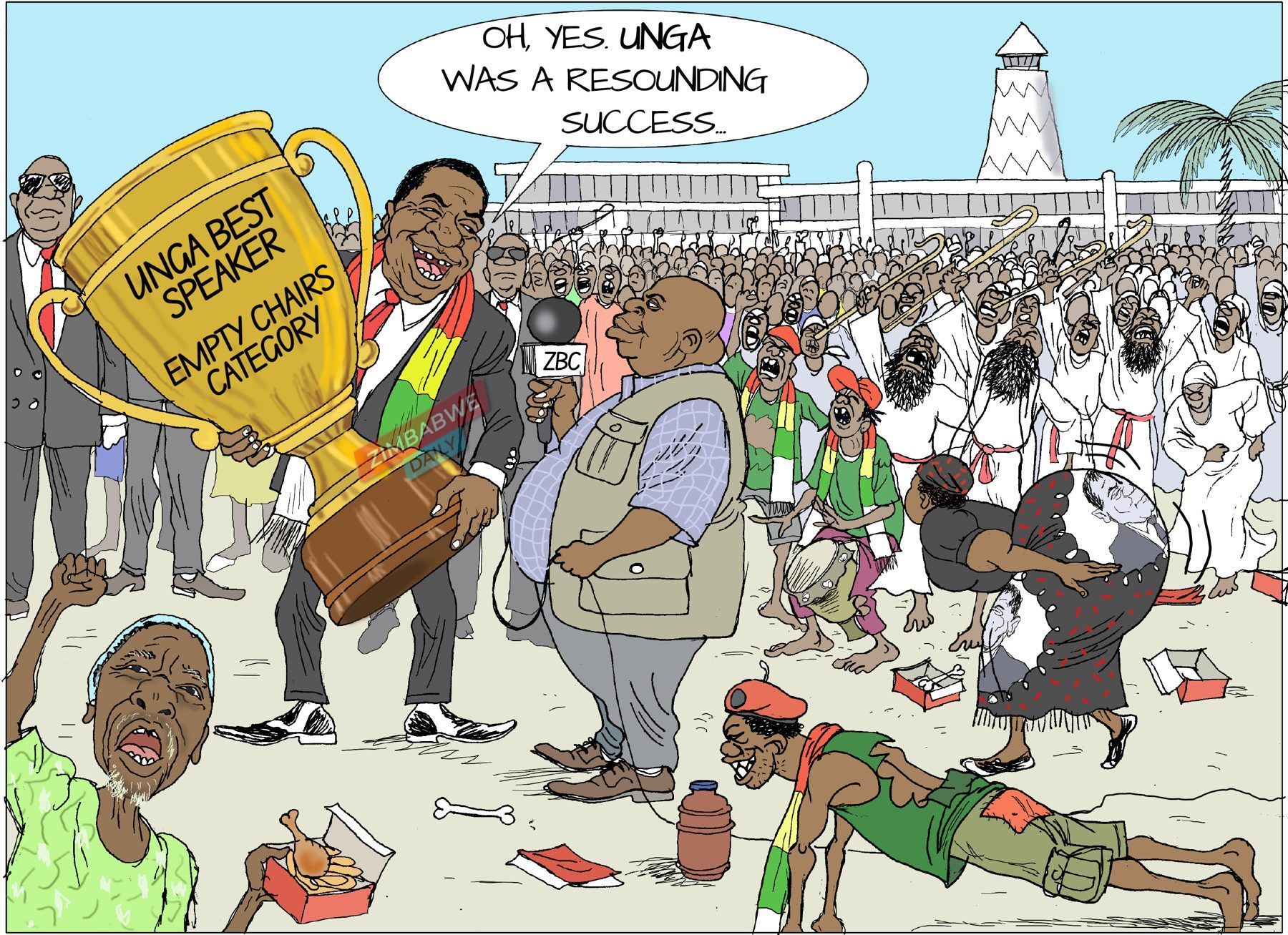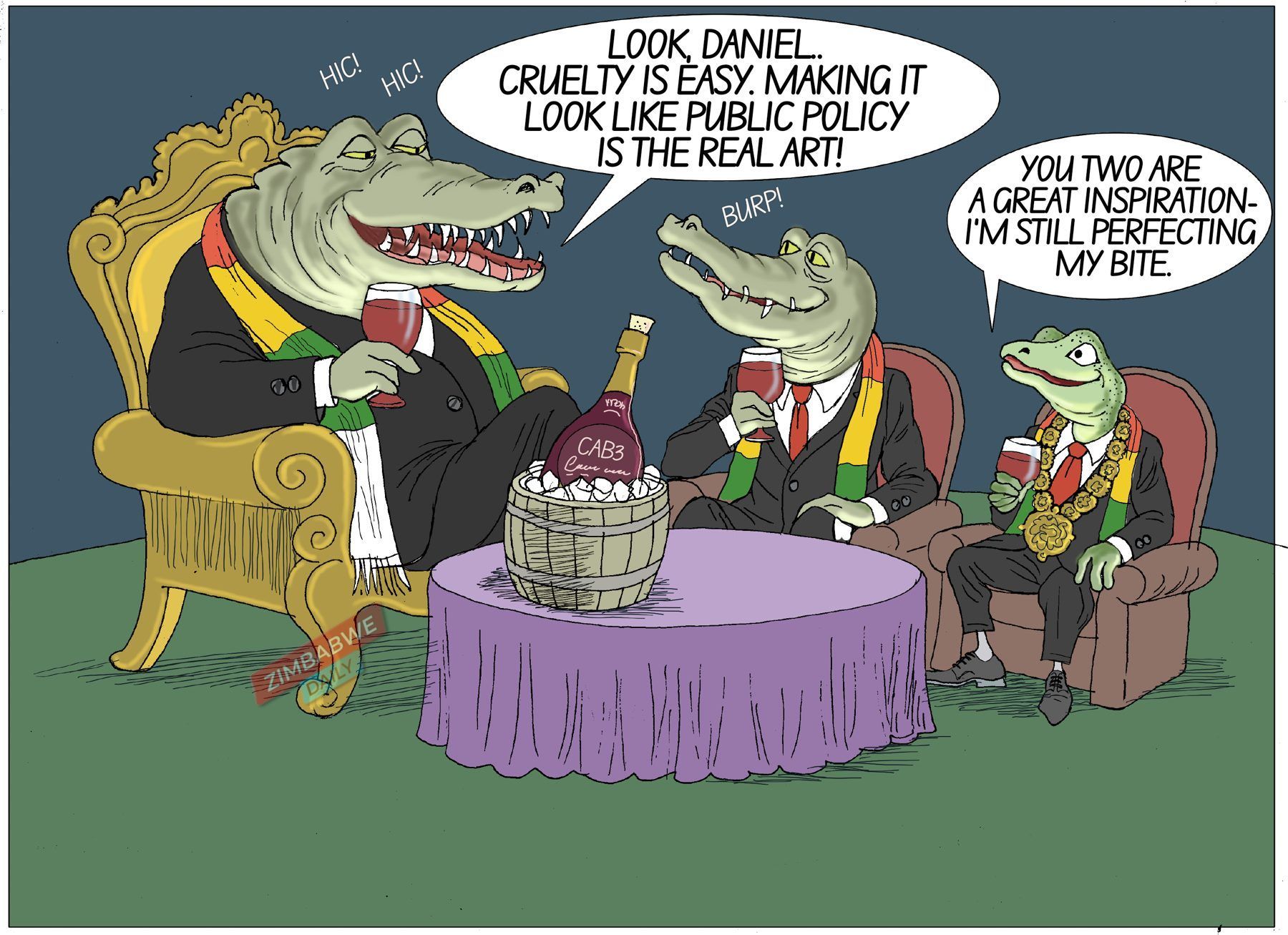
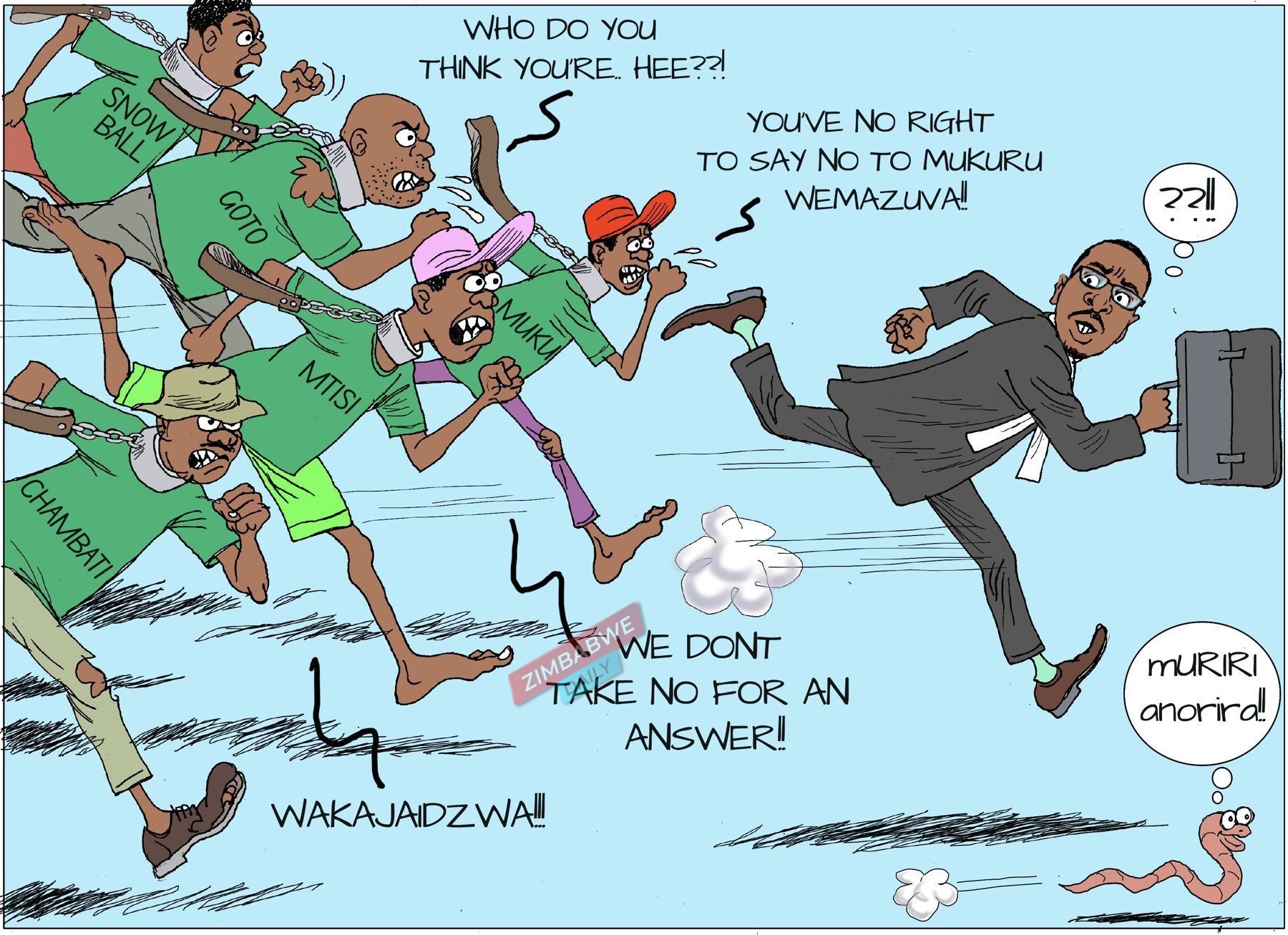
On 7 July 2026, President Emmerson Mnangagwa signed CAB3 into law, extending presidential and parliamentary terms from five to seven years and allowing Mnangagwa to remain in office until 2030. The amendment also changes the method of electing the president from a direct popular vote to election by Parliament.
For many Zimbabweans, CAB3 represented not just a legal change but a fundamental betrayal of the 2013 constitution. That document, approved by referendum, imposed term limits on the presidency after decades of authoritarian rule under Robert Mugabe. The limits were meant to ensure that no one leader could monopolise power again.
Now those limits had been extended, without asking the people.
Opposition MDC leader Douglas Mwonzora challenged the amendment in the Constitutional Court, arguing that changes affecting the right to vote and extending terms for sitting officials required public approval through a referendum. Constitutional watchdog Veritas went further, arguing that the entire Act is null and void because it was not put to a referendum as required by Section 328 of the Constitution.
The government rejected the criticism. The government said the changes would strengthen governance and bring political stability, and argued that they alter the electoral cycle rather than term limits, so no referendum is needed.
The legal argument is clear. Veritas’s constitutional analysis laid out the case: provisions extending presidential and parliamentary terms to sitting officials are invalid because they were not approved by voters at a national referendum. Section 328 requires a referendum for amendments affecting the Bill of Rights or altering the terms of sitting officials. CAB3 does both.
But legal arguments mean little in a system where power decides outcomes. The Constitutional Court had set 23 September to hear the MDC’s challenge, but on 21 September the party said the hearing had been postponed indefinitely, with no new date and no reason given.
The balls and chains depicted in political cartoons are metaphors for the constraints on Zimbabwe’s democracy. But for those who believe the constitution should limit executive power, the constraints are very real.
Mnangagwa has the votes in Parliament, the loyalty of the security forces and the authority to appoint judges. His opponents have only their conviction that the law should matter more than power.
CAB3 is now the law of the land. Zimbabweans, who voted for term limits in 2013, will watch as those limits are ignored. And Mnangagwa will remain in office until 2030, whether the people consent or not.
The question is not whether the courts will strike down CAB3. They will not. The question is what it means for Zimbabwe when constitutional limits can be rewritten without the consent of the governed.
Democracy is not just about elections. It is about the limits placed on those who win them. When those limits disappear, so does the democracy.