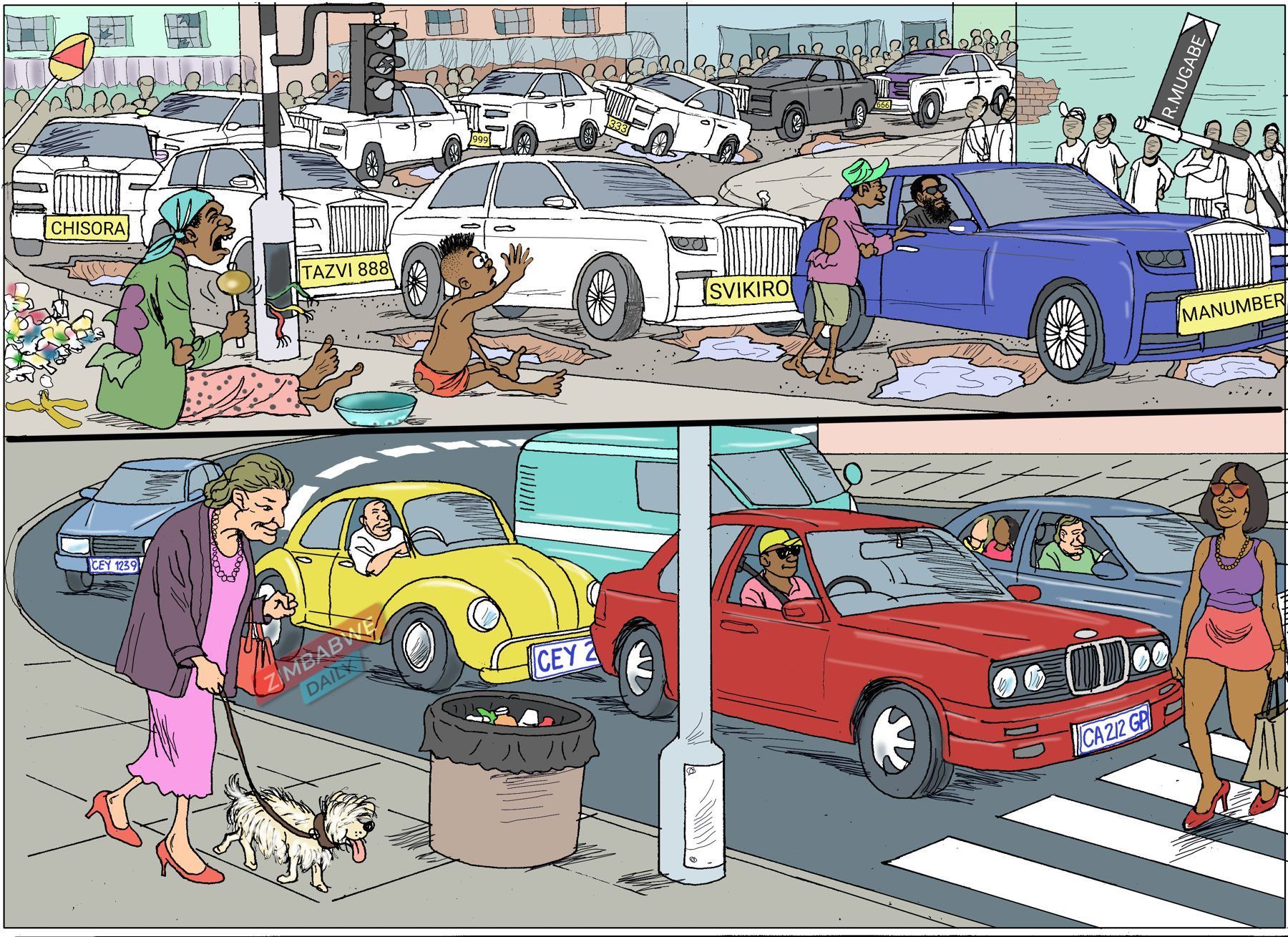
The sight became grimly familiar across Harare. Luxury Rolls-Royces bearing vanity plates gliding past street beggars, a jarring contrast that ignited fury over businessman Wicknell Chivayo’s multi-million-dollar spending spree before his death on 30 September 2026.
By February 2026, Chivayo had doled out between 220 and 250 vehicles, from modest Toyota Aquas to high-end Rolls-Royces. But as the gifts mounted, so did public anger.
In early September, the spending drew criticism. Lawyer Doug Coltart warned on 24 September that accepting gifts from Chivayo could breach the Money Laundering and Proceeds of Crime Act, though, as Nehanda Radio noted, accepting a gift is not automatically an offence.
Chivayo hit back defiantly on 7 September. “I do NOT run any publicly listed company, and my children, my family and I are 100% OWNERS of most of my successful companies,” he wrote on social media. “MY MONEY IS NOT A PUBLIC REFERENDUM. If you have evidence of any crime, urgently submit it to the relevant authorities. Otherwise, allow those of us who work hard to enjoy the fruits of our labour in peace.”
The businessman challenged critics to report any wrongdoing to police rather than making accusations on social media. He even mocked activist Cucsman, telling him to send his CV because he was looking for a car cleaner with experience in Rolls-Royce leather treatment.
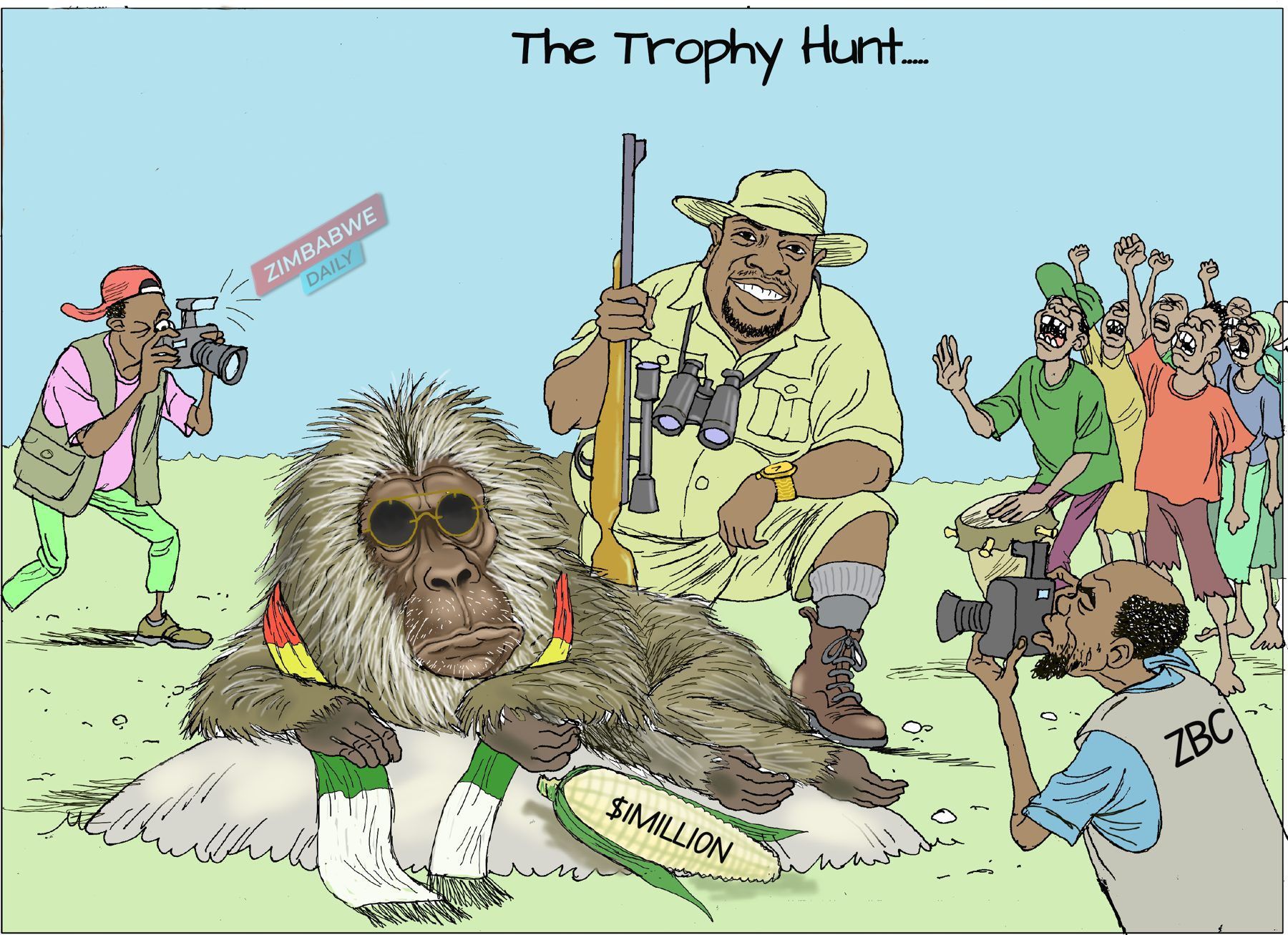
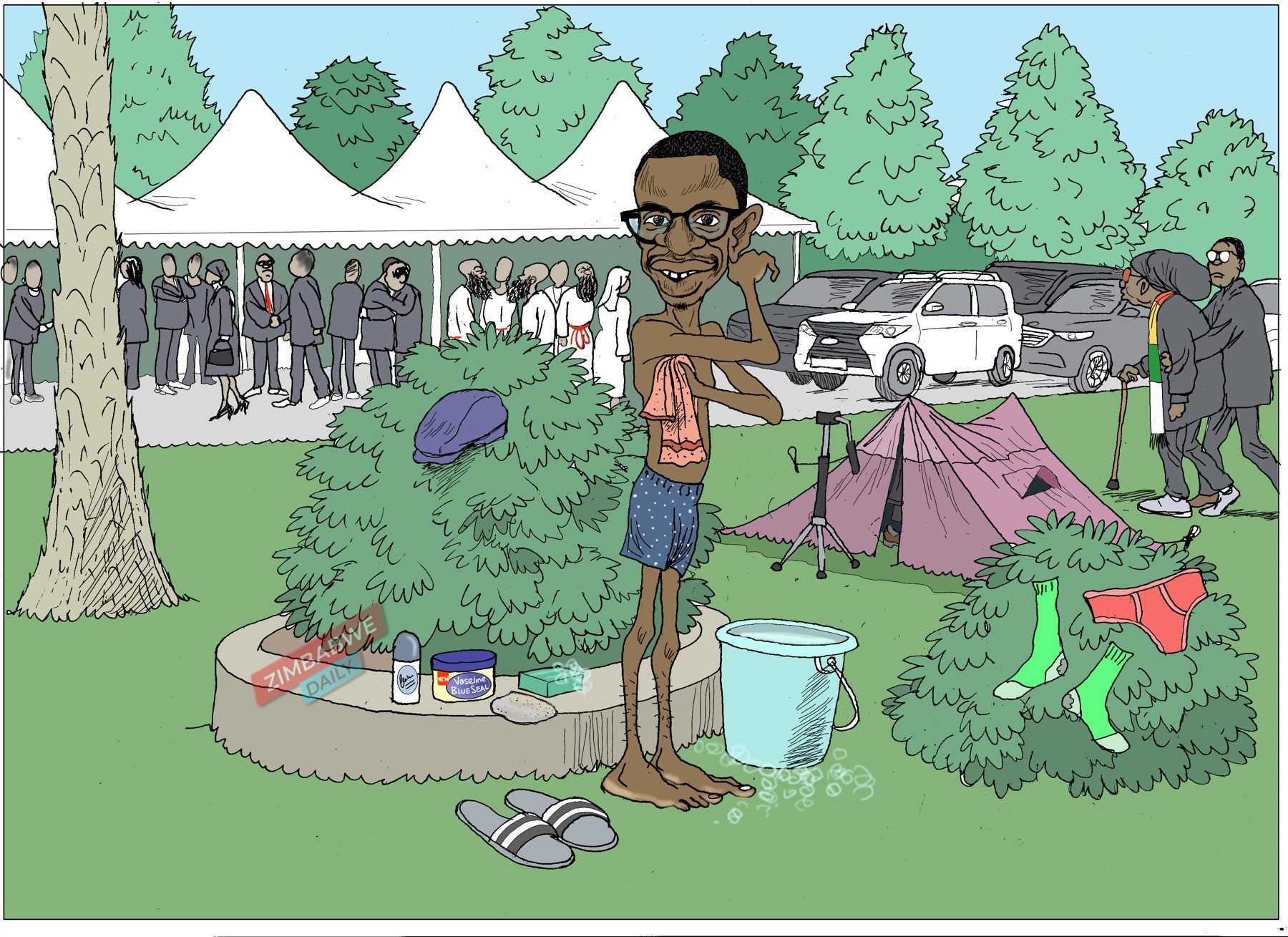
Later that month, on 16 September, Chivayo gifted Bishop Nehemiah Mutendi of the Zion Christian Church a 2026 Rolls-Royce Cullinan Facelift alongside US$250,000 in cash. It was the latest in a string of donations to the bishop, including luxury vehicles worth hundreds of thousands of dollars.
But the anger went deeper than envy. Chivayo’s rise coincided with a series of lucrative government contracts, including the long-troubled Gwanda Solar Project handled by his company Intratrek. Vice President Constantino Chiwenga named Chivayo in a September 2025 corruption dossier presented to the ZANU-PF Politburo, accusing him and other businessmen of “stealing more than US$3.2 billion of government funds.”
Yet ZIMRA spokesperson Gladman Njanji confirmed that lifestyle audits are used to investigate individuals living beyond their declared means.
Not everyone accepted Chivayo’s largesse. Veteran musician Thomas Mapfumo, who lives in the United States, rejected an offer of a luxury car and house, saying he could not be “bribed” and later describing Chivayo’s money as “dirty.” Eunor Guti, widow of Zimbabwe Assemblies of God Africa founder Archbishop Ezekiel Guti, declined a luxury vehicle and US$250,000 in cash.
Yet others defended their acceptance. Religious leaders who received donations dismissed suggestions of impropriety, comparing criticism unfavourably to international aid.
Chivayo’s death in a helicopter crash on 30 September cut short the debate. But it did not end the questions about the source of his wealth, the system that enabled it, or the stark inequality his spending exposed.
On Harare’s pavements, where vendors hawk second-hand clothes and street children beg for coins, the contrast remains. The Rolls-Royces still roll past. The questions keep mounting. And the gap between Zimbabwe’s haves and have-nots grows wider.
Chivayo’s legacy is not just the cars he gave away. It is the uncomfortable questions his life and death have left behind about wealth, power and accountability in Zimbabwe.