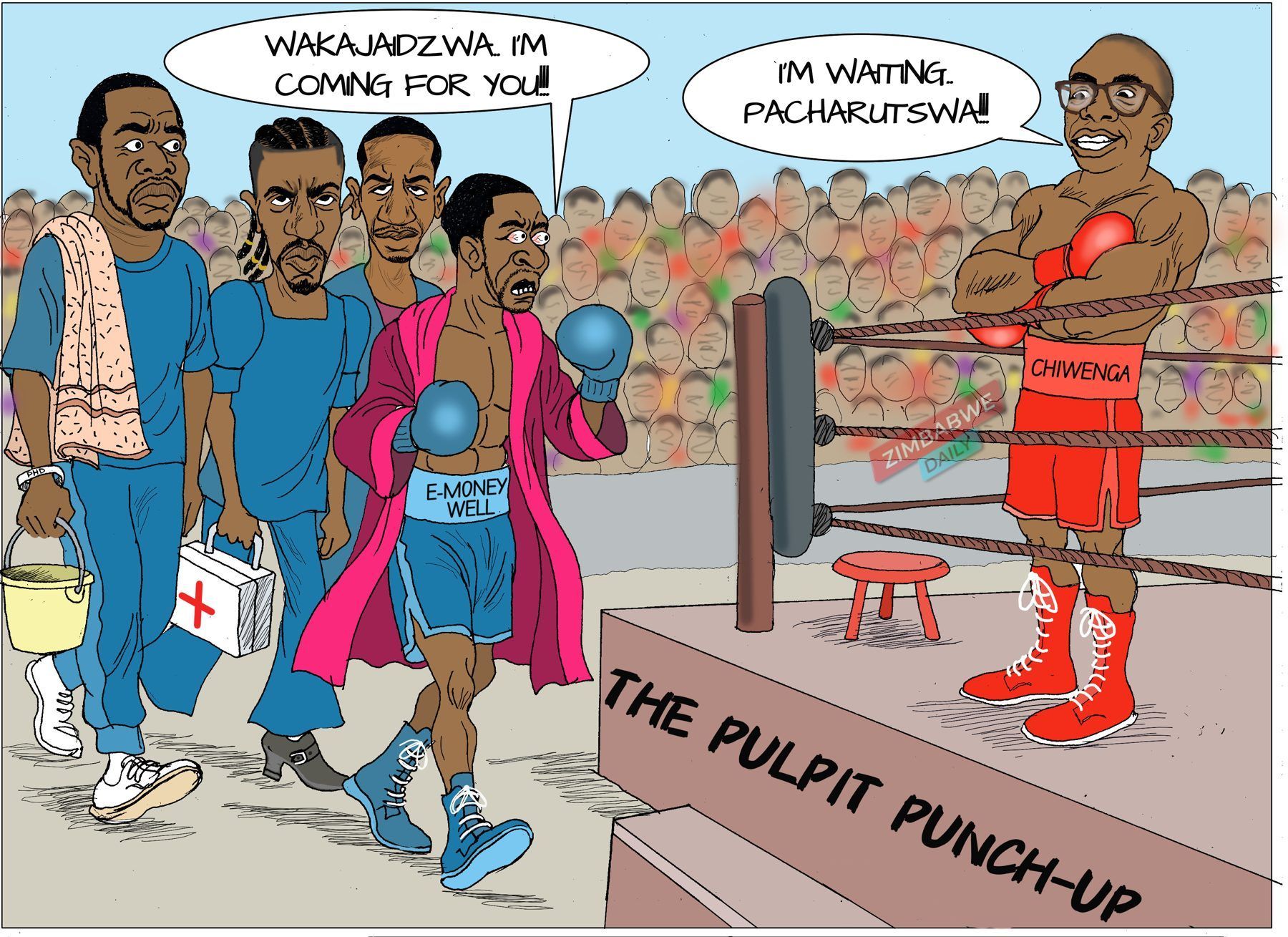
They are calling it Zimbabwe’s most dangerous feud. On one side, Vice President Constantino Chiwenga, a former military commander with the power to topple governments. On the other, Wicknell Chivayo, a businessman with Rolls-Royces and Rolexes, whose wealth grew alongside government contracts.
The confrontation has split ZANU-PF down the middle and raised the stakes in the party’s escalating succession battle. Now, with Chivayo dead following a September 2026 helicopter crash, the war of words has become a posthumous indictment of Zimbabwe’s politics of patronage and power.
It began in January 2025, when Chiwenga fired the first shot. Speaking at the burial of former Deputy Chief Secretary Justin Mupamhanga at National Heroes Acre, the vice president attacked wealthy businessmen he accused of enriching themselves through corruption. He used the Shona terms “zvigananda” and “mbinga”, referring to those who grow rich through dishonest means. “Our vision 2030 is for all of us, not those you call mbinga” (translated), Chiwenga said. He said “we rejected” (translated) those who grow big tummies through ill-gotten wealth and questionable morals.
The target was unmistakable. Chivayo, who had distributed hundreds of luxury vehicles and millions in cash to politicians, church leaders and celebrities, was the most visible face of Zimbabwe’s flashy new wealth.
Chivayo fired back with fury. Taking to X (formerly Twitter), he dismissed Chiwenga as a “failed politician” and declared his loyalty to Mnangagwa alone. “I will always support President E.D. Mnangagwa and ZANU PF’s vision, and NO INDIVIDUAL from any planet, no matter how BIG or SMALL, can instill any fear in me to decide otherwise,” Chivayo wrote.
In September 2025, Chiwenga escalated the fight. He presented a 17-page corruption dossier to the ZANU-PF Politburo, naming Chivayo and fellow businessmen Kudakwashe Tagwirei, Scott Sakupwanya and Delish Nguwaya. Chiwenga accused them of “stealing more than US$3.2 billion of government funds”, “corrupting party structures” and “turning the president’s private office into a place where key government decisions are made.”
“These criminals have brazenly looted our state coffers with impunity,” Chiwenga charged. “We cannot fold our hands and watch these criminals corrupt and bribe our structures and destroy our party.”
Mnangagwa’s allies hit back. At a subsequent Politburo meeting, they branded Chiwenga’s dossier “treasonous” and accused him of attempting to “undermine a constitutionally elected government” and “incite despondency.” The counter-document, presented by Justice Minister Ziyambi Ziyambi, was adopted without debate, deepening factional rifts.
The timing was extraordinary. On 30 September 2026, Chivayo and his wife died in a helicopter crash near Marondera. Within days, reports emerged of a bitter power struggle. By October 2026, ZimEye reported on 10 October that the two leaders had a near physical confrontation at Politburo meetings, though the outlet noted the claim was unverified. A scheduled ZANU-PF Politburo meeting was postponed, with ZANU-PF spokesperson Christopher Mutsvangwa citing a scheduling clash as the reason.
Chiwenga’s absence from the funeral spoke volumes. While government ministers and church leaders attended the burial, and President Mnangagwa had earlier visited the family home, the vice president stayed away, his silence interpreted as a final message.
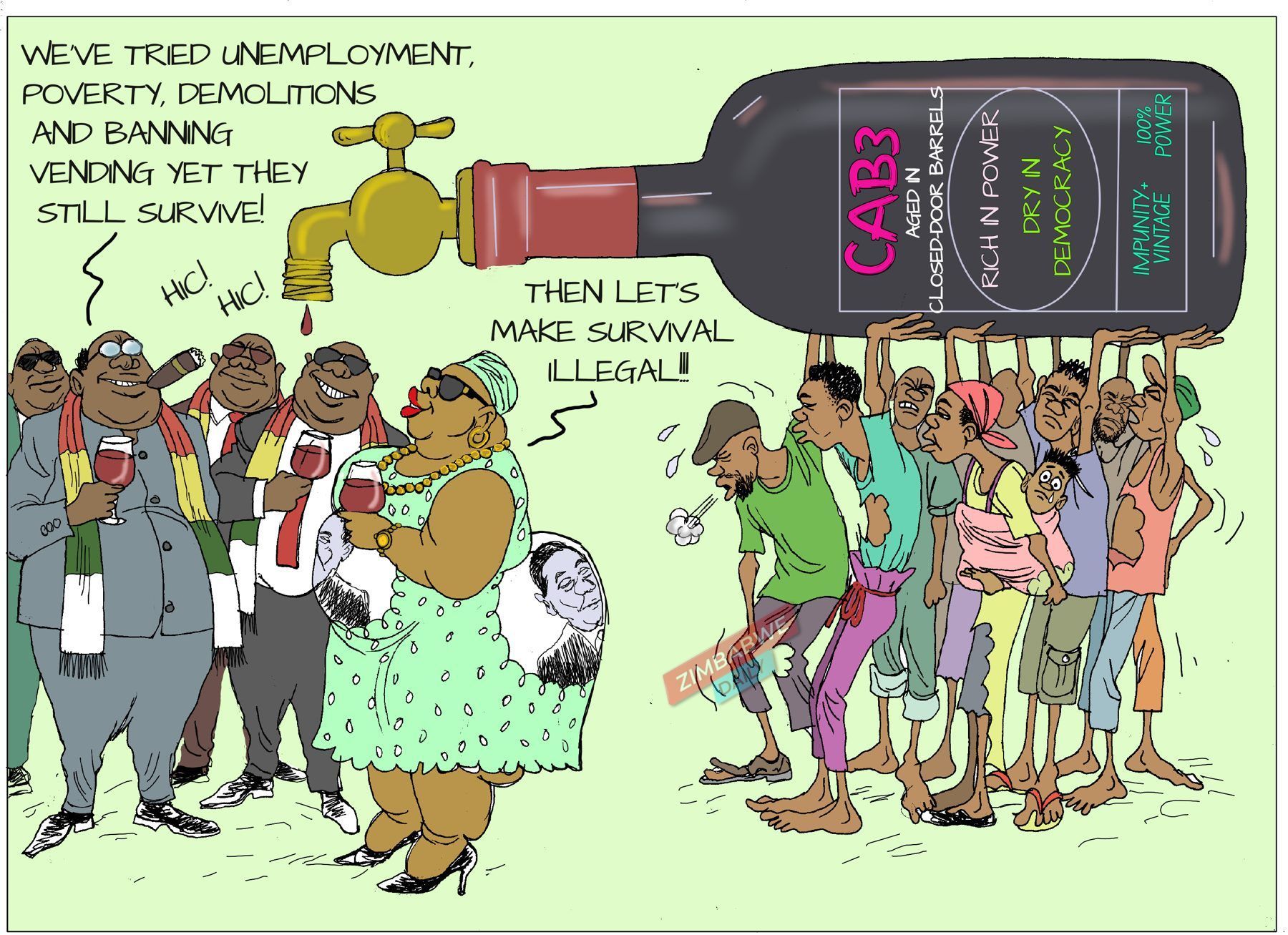
The feud exposed a battle over succession and control of state resources, with Chiwenga representing factions who felt excluded from patronage networks while Chivayo embodied a system built on access to the president. For ordinary Zimbabweans watching the drama unfold, the spectacle exposed how those in power fight over resources while ordinary citizens struggle with daily survival.
The war of words may have ended with Chivayo’s death, but the battle for Zimbabwe’s political future is just beginning.