JOHANNESBURG - There is no South African law that says foreigners must leave by 30 June. There is, instead, a date, a slogan and a great deal of fear.
The deadline began with Nkosikhona Ndabandaba, the activist known as “Phakel’umthakathi”, who has more than 1.7 million Facebook followers and told CNN he was its architect. “June 30 is the deadline, but you don’t have to wait until then,” he says in one video, before telling viewers to “leave now”, adding that after Tuesday, “I can’t control the people of South Africa.” He later told CNN his campaign targets undocumented migrants of all nationalities and denied his supporters had engaged in violence.
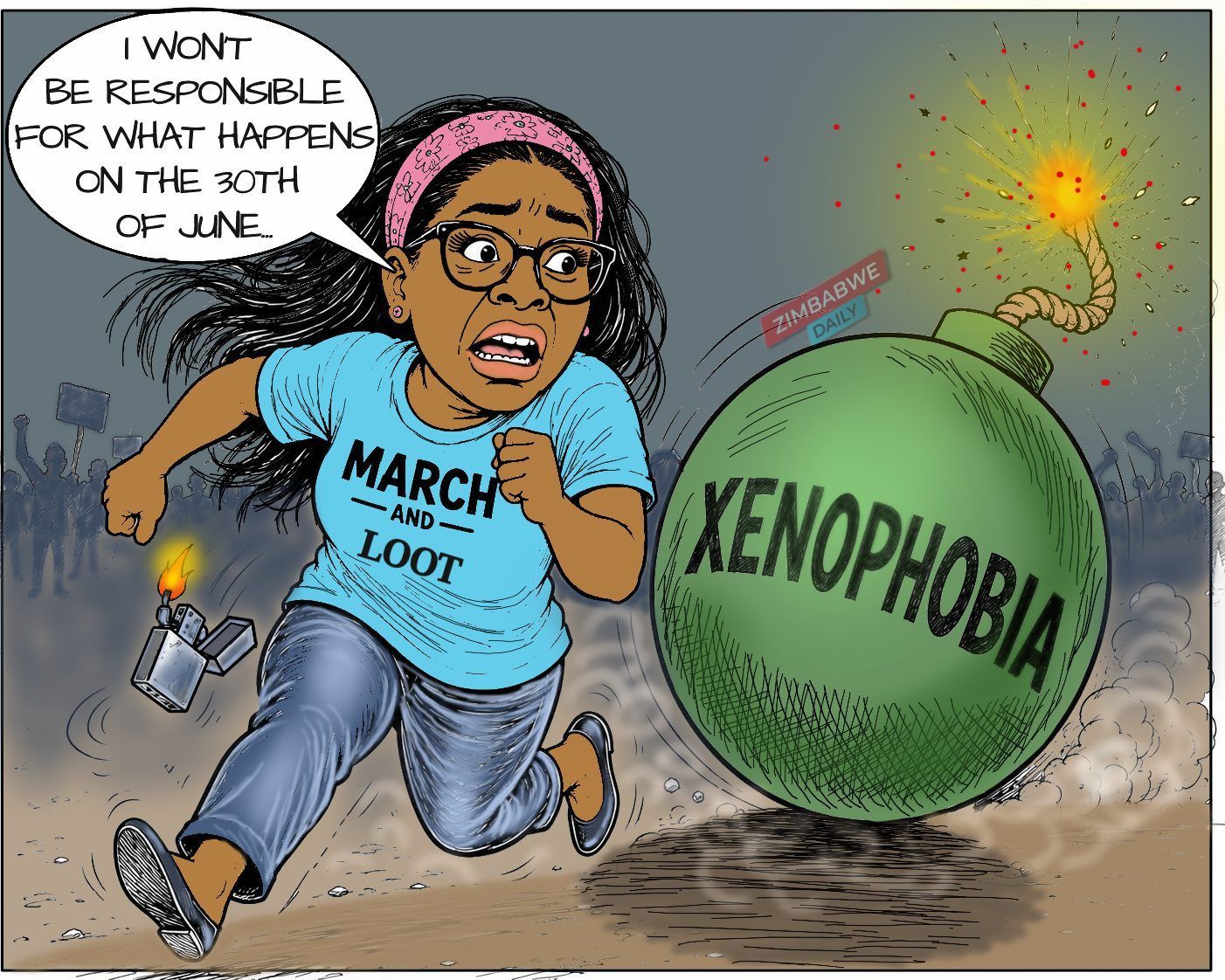
Jacinta Ngobese-Zuma, leader of the March and March movement, which has called nationwide protests for Tuesday, confirmed the origin. “The deadline was announced by ‘Phakel’umthakathi’. When he announced it, South Africans stood up in numbers in support. So it’s no longer a ‘Phakel’umthakathi’ date; it’s a South African date,” she told reporters in Midrand, according to IOL. She said her movement would not take responsibility for anything that goes wrong.
The government’s answer
The South African government has rejected the so-called deadline, CNN reported. President Cyril Ramaphosa warned that the government “will not tolerate any attempts to destabilize the country by anyone, whether marching or otherwise.” He has said attacks on foreign nationals “do not represent the views of South Africa’s people, nor reflect our government’s policy,” and blamed “opportunists who are exploiting the legitimate grievances, particularly those of the poor.”
Ramaphosa has also acknowledged “the challenge of illegal immigration”, saying it puts pressure on public services and “distorts the labor market”.
The queue in District Six
For many Zimbabweans, the official reassurances have not been enough. On Sunday more than 2,000 Zimbabwean nationals who had gathered outside the Zimbabwean Consulate in District Six, Cape Town, were moved to the Epping Repatriation Centre for processing before being taken by road to Beitbridge, the Cape Argus reported. Women carried babies and belongings on their backs.
The Siyafana Sonke Campaign said most of those arriving over the past ten days were women and children. Yesh Govender, a volunteer, described the strain. “We now have 2 000 people at a site that is able to support 300, and people are arriving every day, desperate,” Govender said.
Weston Willie, chairperson of Zimbabweans Cape Town, said people had come from Bredasdorp, Hermanus and Robertson. He also wanted it known that not everyone wanted them gone. “We are seeing ordinary people, residents who are coming with hot tea and meals to ensure that everyone has something to eat and that the babies are being fed,” he said.
The numbers leaving
South Africa’s Border Management Authority says more than 13,000 foreign nationals, including about 3,000 Zimbabweans and 9,000 Malawians, were voluntarily repatriated or deported in the past fortnight, CNN reported.
The fear has a basis. Police said two Mozambican men were killed during violence in Mossel Bay in late May, where more than 50 shacks were burned. A Malawian gardener in Johannesburg told CNN that two men warned him: “If you don’t leave now, you’re going to leave in a coffin because we don’t need anyone after 30th of June.”
The cartoons’ view
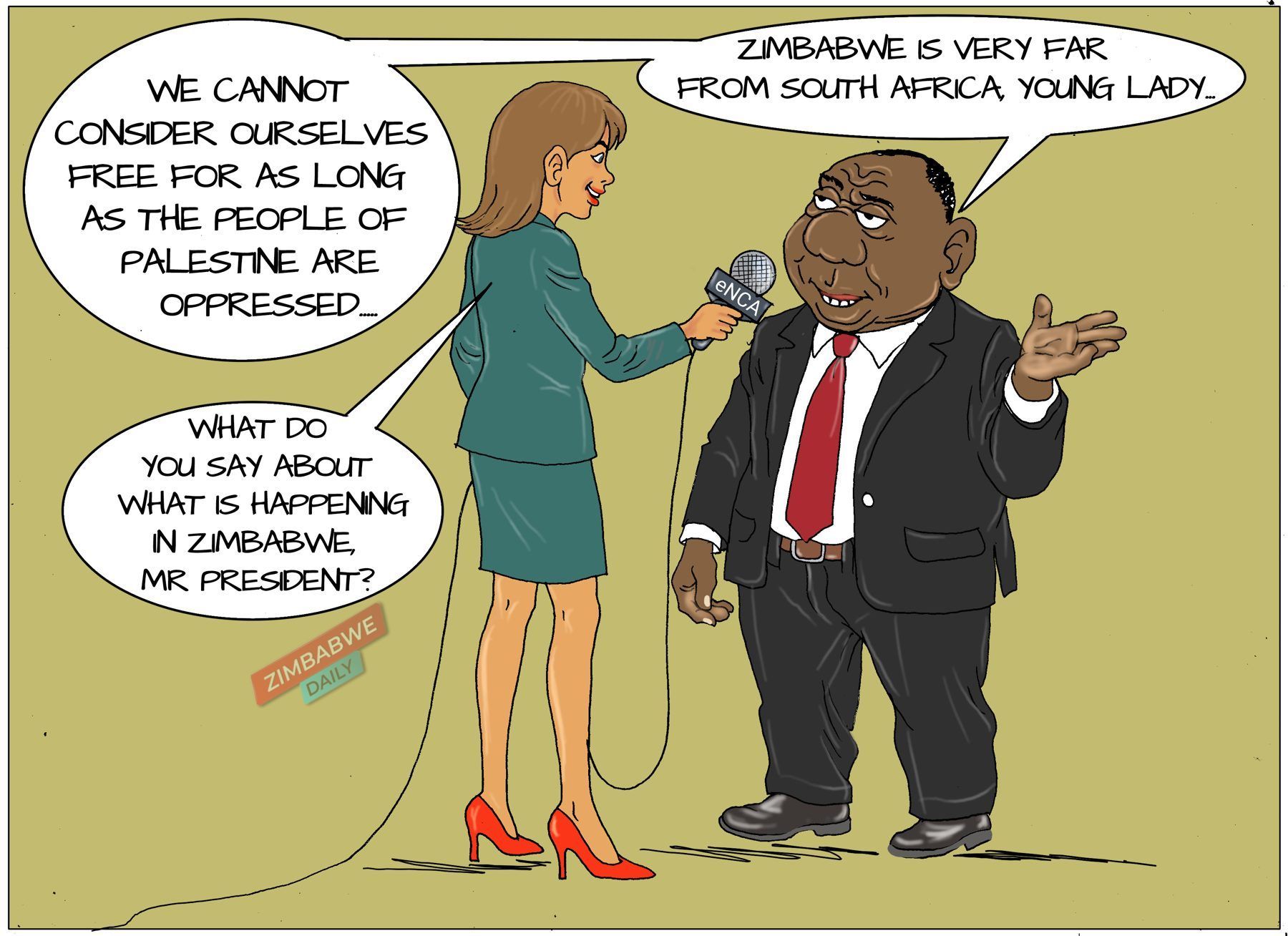
The cartoons accompanying this story are blunt. One shows a woman in a “March and Loot” T-shirt fleeing a lit bomb marked “Xenophobia”, declaring she will not be responsible for what happens on the 30th. Another shows men in traditional regalia carrying crates out of smashed foreign-owned shops, shouting “Abahambe”, let them go. Both are caricatures. Ngobese-Zuma has said her movement’s protest is not a shutdown and has rejected claims that it is improper to tell undocumented migrants to leave.
What the cartoons capture, and the queue in District Six confirms, is that a date with no legal force has already moved thousands of people.
What comes next
Tuesday will show whether the protests stay peaceful, as organisers promise, or turn into something worse, as migrants fear. For the families waiting in Epping, the question is simpler: when the bus to Beitbridge leaves.