HARARE - There are two ways to measure a country’s moral temperature. One is to count who accepts the gifts. The other is to notice how loudly we cheer when someone refuses.
On Monday Wicknell Chivayo, the businessman who has made his fortune from state contracts, announced in a lengthy online tribute that his former lawyer, Advocate Dr Lewis Uriri, should collect a brand-new 2026 Range Rover Sport Autobiography worth US$250,000, plus US$50,000 for fuel. A further US$50,000 was for Uriri’s wife, also a senior lawyer, described by Chivayo as a “handbag allowance”.
Chivayo called Uriri a “lawyer par excellence”. “I cannot remember a single matter where you represented me that was ultimately lost,” he wrote.
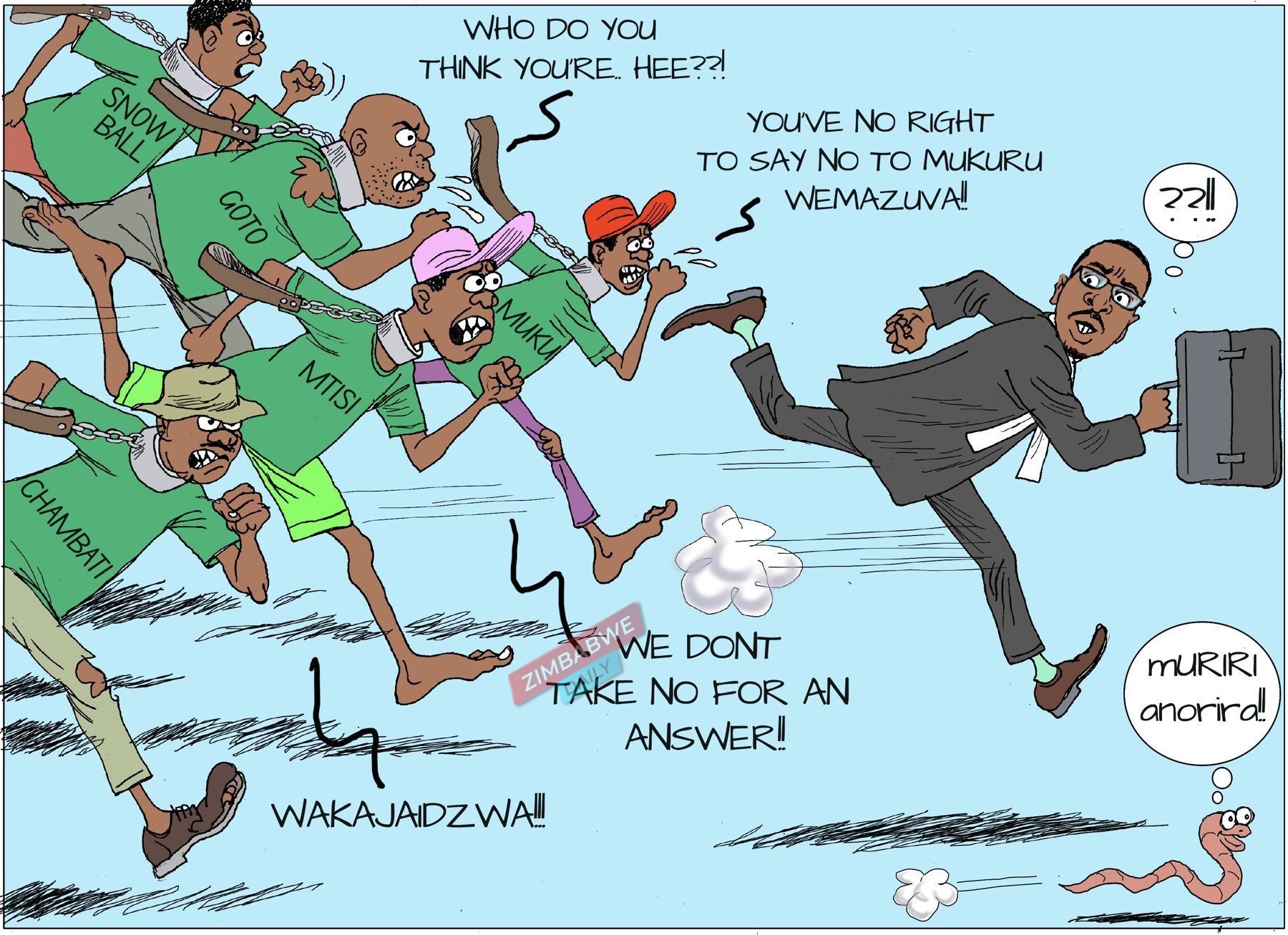
Uriri said no. All of it.
The letter
His reply deserves to be read in law schools. “Your announcement came as a complete surprise, without prior notice or discussion,” he wrote. The two had last spoken in June 2024, and he had done no work for Chivayo since. “The historical work to which your tribute refers was performed in my professional capacity and paid for in full. My remuneration was for services actually rendered.”
Then came the principle. “I consider it necessary to decline benefits that could reasonably create a perception of personal financial obligation extending beyond a concluded and fully remunerated professional engagement,” he wrote. “Our decision is nevertheless firm: we will not accept the vehicle or either of the cash gifts.”
Note the word “perception”. Uriri did not accuse anyone of buying anything. He simply understood that, for a lawyer, how a gift looks is part of what it is.
The timing
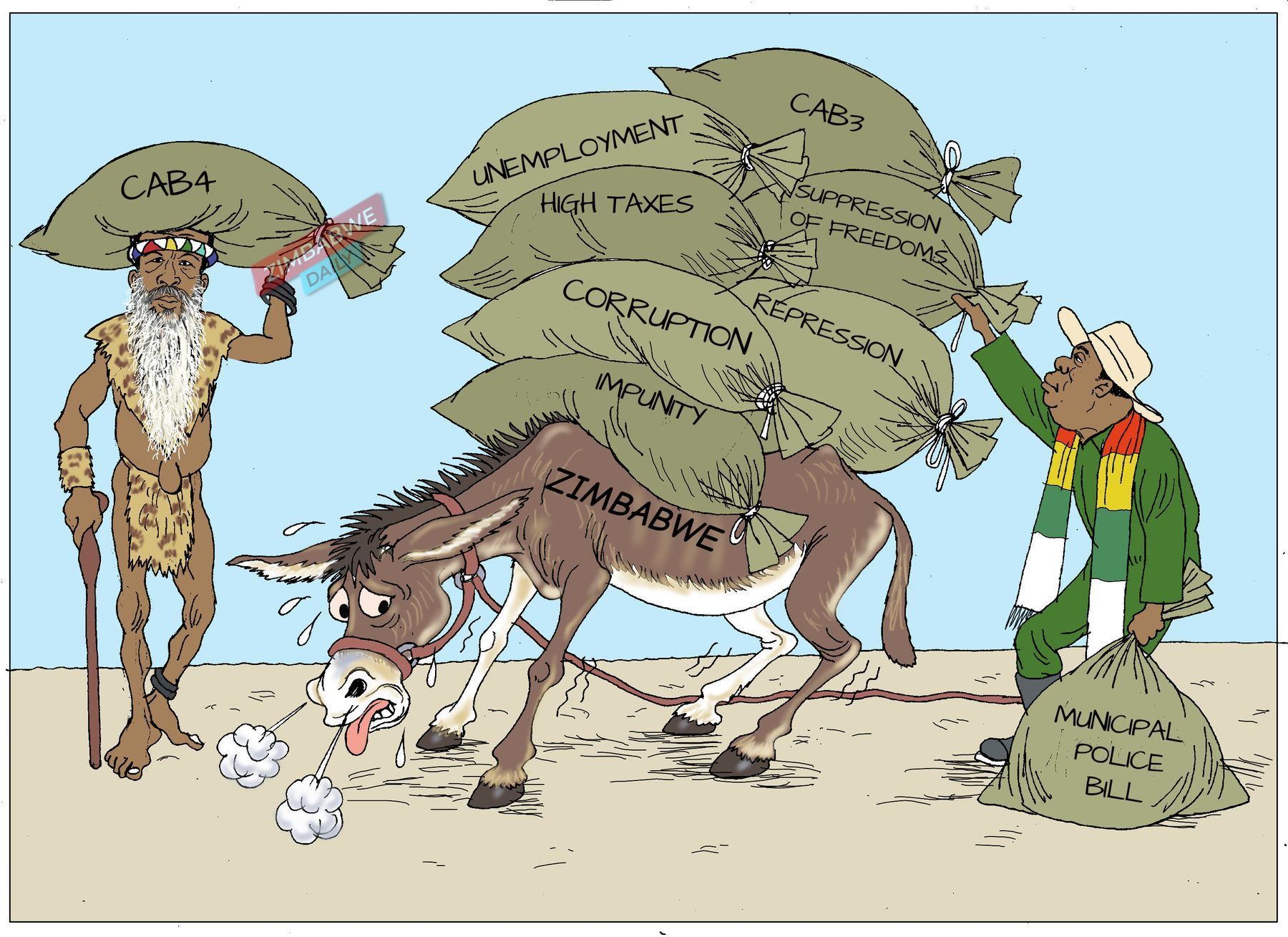
The timing made the point sharper. According to My Zimbabwe News, Uriri was due in the Constitutional Court the following day as part of the legal team for six war veterans challenging the enactment of the Constitution Amendment (No. 3) Act, which extends presidential and parliamentary terms from five years to seven and provides for the President to be elected by Parliament. Chivayo has described his relationship with President Emmerson Mnangagwa as like that of father and son.
There is history here, too. My Zimbabwe News reported that older videos circulating after the refusal appear to show Uriri receiving the keys to a Land Rover Discovery bought by Chivayo, reportedly worth US$110,000 and believed to date from late 2023 or early 2024. That earlier car complicates the story, and it should be acknowledged. Mpofu, as reported by My Zimbabwe News, argued that Uriri’s past conduct should be considered separately from the choice he made before the hearing. On that choice, at least, the record is clear.
The applause
The legal profession noticed. Advocate Thabani Mpofu called it “the legal profession, at its highest litigation levels, choosing independence over convenience and principle over gain.” He added the line that should be framed in every chambers in Harare: “Professional independence is not an abstract ideal. It is tested precisely when accepting would be easier than refusing.”
Tendai Biti, who said he recruited Uriri straight from law school, was briefer. “Human beings make choices. Deliberate, carefully considered choices,” he wrote. “Fortunately, there are a few good persons still out there.”
The rarity
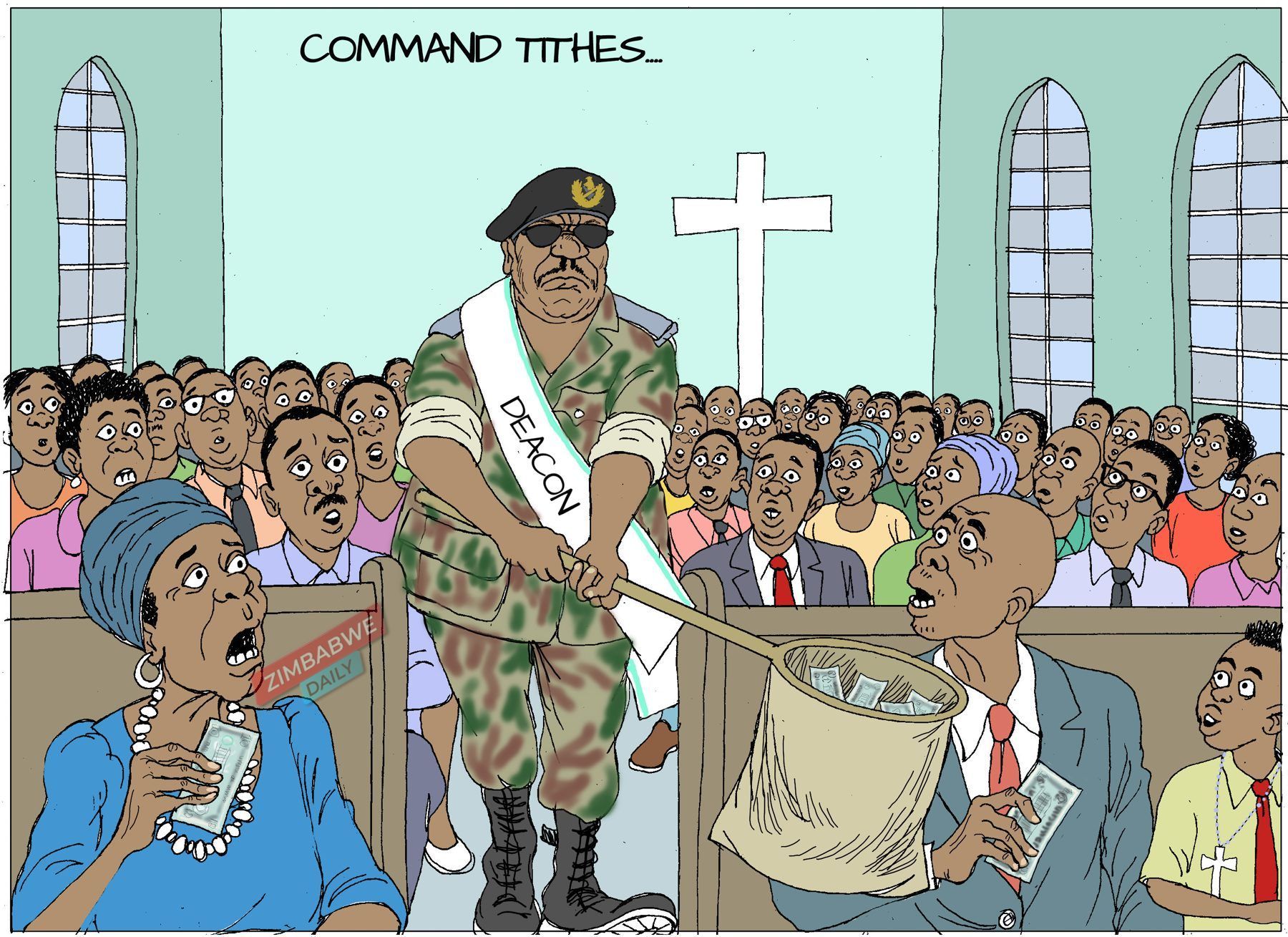
That Biti’s “few” sounds about right is the depressing part. According to Nehanda Radio, Chivayo has spent tens of millions of dollars over the past two years on vehicles and cash for musicians, religious leaders, sports administrators, traditional leaders and other prominent figures. Most publicly named beneficiaries have accepted. The best-known earlier refusal came from Eunor Guti, widow of the ZAOGA founder Ezekiel Guti, who turned down a Toyota Land Cruiser and US$250,000, and later disclosed that the church had also declined a US$2 million donation.
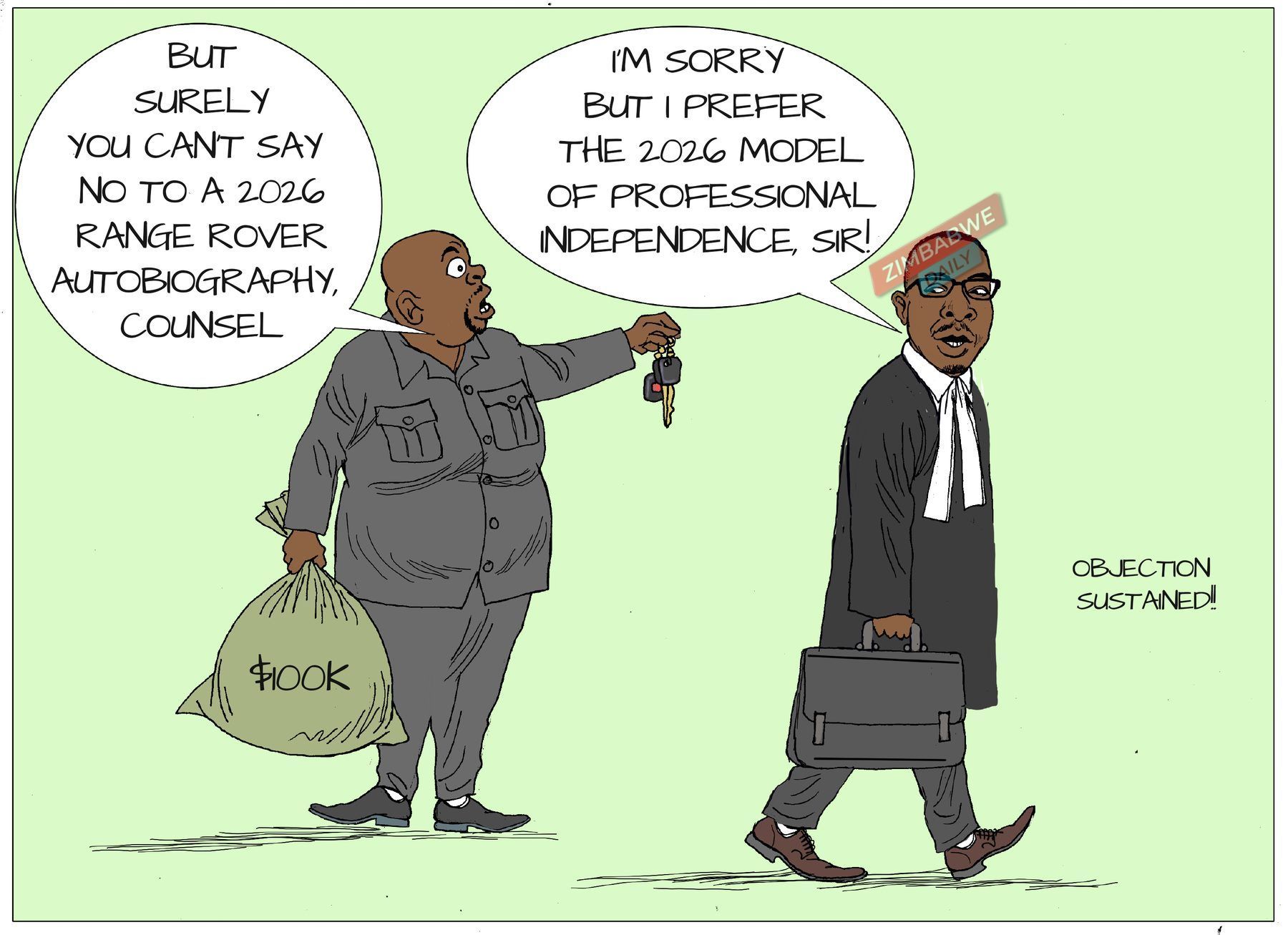
A cartoon this week puts the exchange in a single frame: a man with a money bag offering the keys to a 2026 Range Rover, and an advocate walking past, preferring “the 2026 model of professional independence”. An older cartoon, of a “Zimbabwe (In)Justice Restaurant” serving “Selective Justice Gravy”, shows the cynicism Uriri was working against. The cartoonist assumes the system is for sale. Every refused gift is a small piece of evidence that some of it is not.
The point
None of this tells us how the Constitutional Court will rule. That is for the judges. But a legal system depends on lawyers who will say, in writing, that they cannot be bought, and then prove it by returning the keys.
Uriri did his part. The rest of the profession, and the rest of the country, might consider the model.